
Barely ten Roman strides from porch to altar;
barely a javelin’s length the width of walls
now just a plan in stone, an old soldiers’ temple;
a site of trial, and gateway to a further world.
The god came with them, wrapped in silk and legend,
silent, half-known, a myth of blood and combat.
Bullfight inside the dark was hack and spillage
till walls ran raw with gore; Mithras the victor.
No wild bulls in that landscape, so the cave
where battle was joined was set up, like the Wall,
between the conquered world and wild beyond it
glimpsed as some raiders’ fire; warning as war horns.
Barely a score would fill it, their oiled lamps
facing each other as worship made the aisle
a flickering place, uncertain of what followed.
Rome set the stone vein as its edge of empire.
Troops drew that border tighter as they retreated,
leaving the carved face puzzled on an altar.
Who now would guard and care for those remaining
the curlew asked that ground, called faith to question.
Now visitors drop some small change in the bowl
that drowns coins under standard-bearing cloud banks,
or leave a claw of dried thyme as a wreath,
as buying off those fears that myths still conjure.
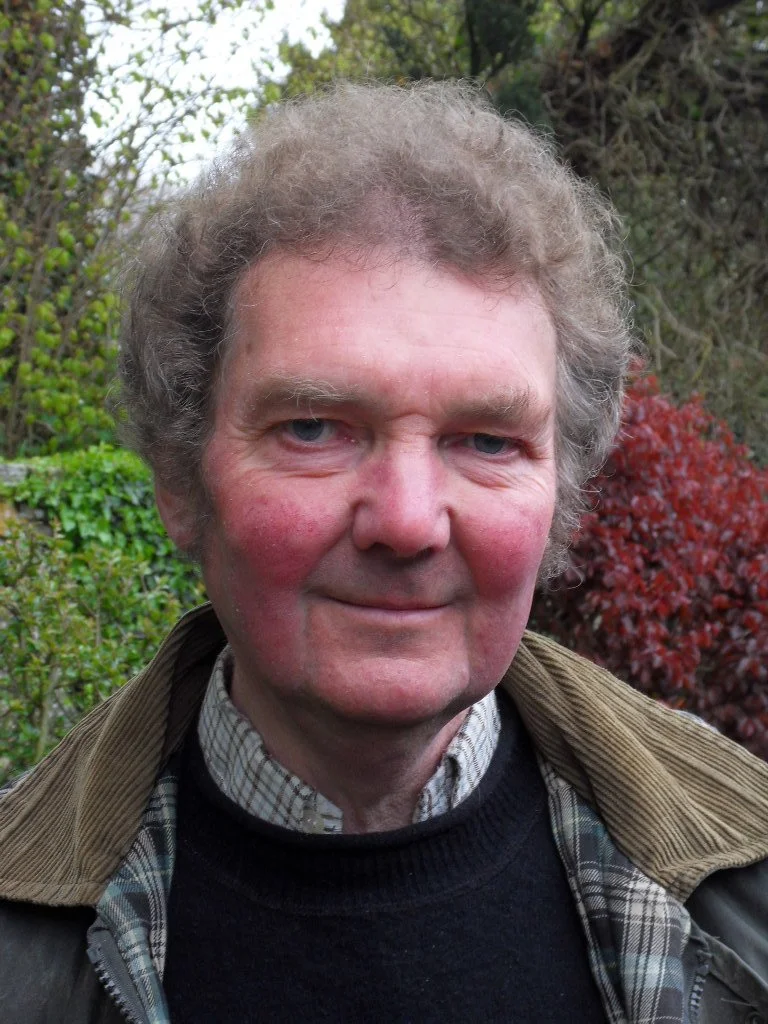
Martyn Halsall
Martyn Halsall has published six pamphlets and four full collections of poetry, the most recent being Lent (Wild Goose Publications, 2025). After student years in London he wrote for local and regional newspapers before joining the Guardian where he initially covered religious affairs before becoming Northern industrial correspondent. Later he became the first poet in residence at Carlisle cathedral. After living largely in the north-west of England, his home is now in the Tyne valley, Northumberland.